
Understand
Build the context and terminology before using a platform.
Learn practical SEO through keyword research, search intent, on-page optimisation, technical SEO, local SEO, Search Console and reporting.
This SEO training connects search theory with actual optimisation work: research keywords, understand intent, improve pages, audit technical issues, strengthen local visibility and use Search Console and reporting to decide what to improve next.
Local SEO is especially important for businesses that want to be discovered in Vadodara and nearby areas. Learners practise concepts such as Google Business Profile optimisation, local keyword research, review signals, location-focused content and consistent business information. The training also covers broader organic search so students understand how local SEO fits alongside technical SEO, content optimisation, internal linking and website structure. This creates a stronger foundation for working on local businesses as well as larger websites.
Learn practical SEO through keyword research, search intent, on-page optimisation, technical SEO, local SEO, Search Console and reporting.
At Techo Gurukul, the subject is taught through a simple cycle: understand the principle, see how the platform or workflow works, practise it with guidance, build a useful output and review the result.
Build the context and terminology before using a platform.
Work through guided tasks using relevant tools.
Create a practical output that can be reviewed.
Use feedback and data to refine the work.
This SEO training connects search theory with actual optimisation work: research keywords, understand intent, improve pages, audit technical issues, strengthen local visibility and use Search Console and reporting to decide what to improve next. The training is designed to connect each topic with the decisions a learner would make while working on a website, campaign, social channel, creative project or search strategy.
Understand the terminology, objectives, audience and workflow before jumping into tools.
01 / 06Use keywords, audience signals, competitors and business goals to decide what should happen next.
01 / 06Turn the strategy into pages, content, campaigns, social assets, tracking or design outputs.
01 / 06Read meaningful metrics, identify what changed and separate useful signals from vanity numbers.
01 / 06Improve the work through testing, technical checks, feedback and data rather than guesswork.
01 / 06Document practical outputs so you can explain what you did, why you did it and what you learned.
01 / 06Businesses need people who can research a problem, choose an appropriate channel or method, execute the work carefully and explain what the data says afterwards.
Depending on the course, practical work can include audits, keyword maps, content calendars, social creative sets, campaign structures, analytics reports, search optimisation plans, design portfolios or a capstone project.
The skills can support entry-level roles, marketing teams, agency workflows and freelance services. Learners also practise communicating decisions, reviewing results and presenting their work.
This SEO training connects search theory with actual optimisation work: research keywords, understand intent, improve pages, audit technical issues, strengthen local visibility and use Search Console and reporting to decide what to improve next.
Local SEO is especially important for businesses that want to be discovered in Vadodara and nearby areas. Learners practise concepts such as Google Business Profile optimisation, local keyword research, review signals, location-focused content and consistent business information. The training also covers broader organic search so students understand how local SEO fits alongside technical SEO, content optimisation, internal linking and website structure. This creates a stronger foundation for working on local businesses as well as larger websites.
Practical SEO exercises can include building a keyword map, analysing search intent, reviewing titles and headings, improving internal links, checking indexing and canonical issues, evaluating Core Web Vitals basics, auditing a Google Business Profile and preparing an SEO audit report. Learners are encouraged to document the issue, explain why it matters, recommend an action and review the result. That process is more useful for real SEO work than simply collecting a list of ranking tricks.
SEO skills can support roles such as SEO executive, SEO specialist, content SEO professional, local SEO executive and digital marketing executive. They can also support freelance website audits and optimisation projects. The course includes reporting and communication so learners can explain findings to a manager, client or business owner. Career outcomes depend on the learner’s practice, portfolio, interview performance and market opportunities.
This seo training training is structured for different starting points, from beginners who need a clear foundation to working professionals and business owners who want practical capability.
Build job-ready foundations, practical projects and portfolio evidence before entering the digital workplace.
→Add a practical digital skillset, understand current tools and apply the workflow to real business situations.
→Develop a service-ready workflow you can explain to clients, practise through projects and improve with feedback.
→Understand how search, social, paid advertising, content and analytics connect to customer acquisition.
→Start without assuming prior marketing or technical knowledge and progress through trainer-led practice.
→Understand where AI-assisted research and content workflows help—and where human judgement, evidence and review remain essential.
→Tool exposure is connected to practical decisions—not just a list of software names.
 GOGoogle Analytics 4Analytics
 GOGoogle Search ConsoleSEO
 GOGoogle AdsPaid Search
 MEMeta Ads ManagerSocial Ads
 CACanvaCreative
 WOWordPressWeb
 SESemrushResearch
 OPOpenAI / ChatGPTAI workflow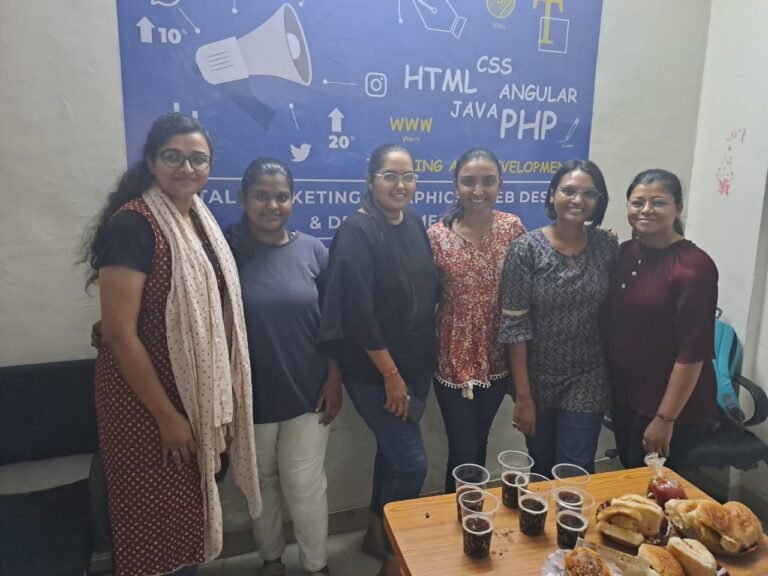
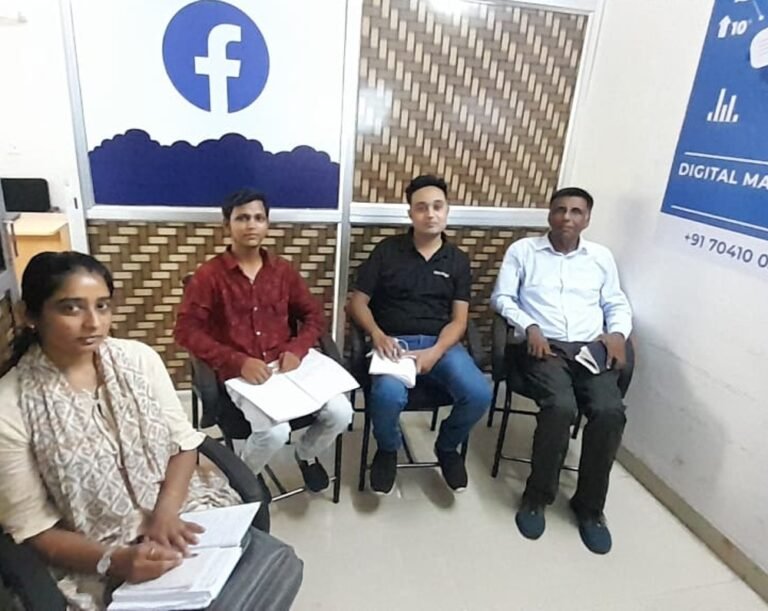
Understand the reasoning behind tasks and get feedback on your work.
Practise with platforms used across modern digital workflows.
Turn concepts into campaign, audit, content or design tasks that can be reviewed.
Build portfolio evidence and confidence to explain your decisions.
Connect SEO, AEO, GEO and AI-assisted workflows where relevant.
Learn in a local training environment with online and offline options.
Each module contains individual topics and a practical direction so you know what you will actually study.
Understand crawling, indexing, ranking and the signals that influence search visibility.
Build a keyword set around audience needs and business priorities.
Optimise pages so users and search engines can understand the topic and value.
Find technical issues that can prevent pages from being crawled, indexed or experienced well.
Improve local search visibility for businesses serving a geographic market.
Create and improve useful content around intent, entities and topic depth.
Use search data to identify opportunities and communicate progress clearly.
Audit a real website and present a prioritised improvement plan.
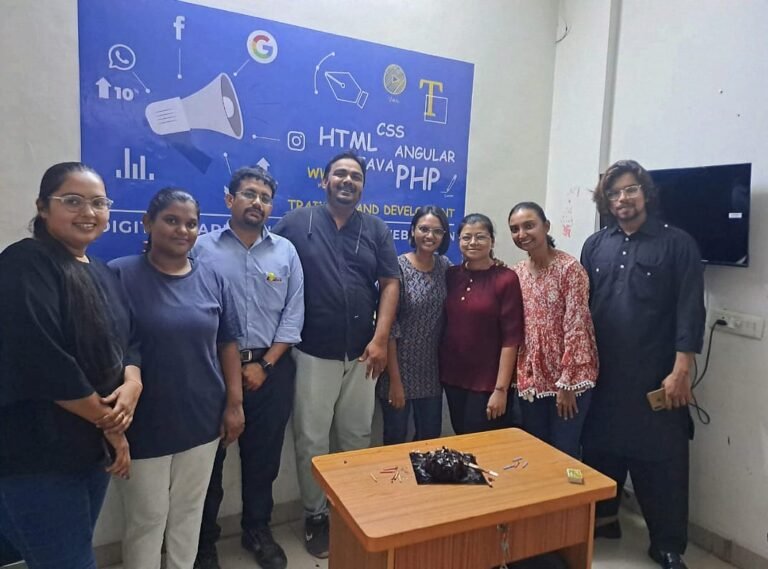
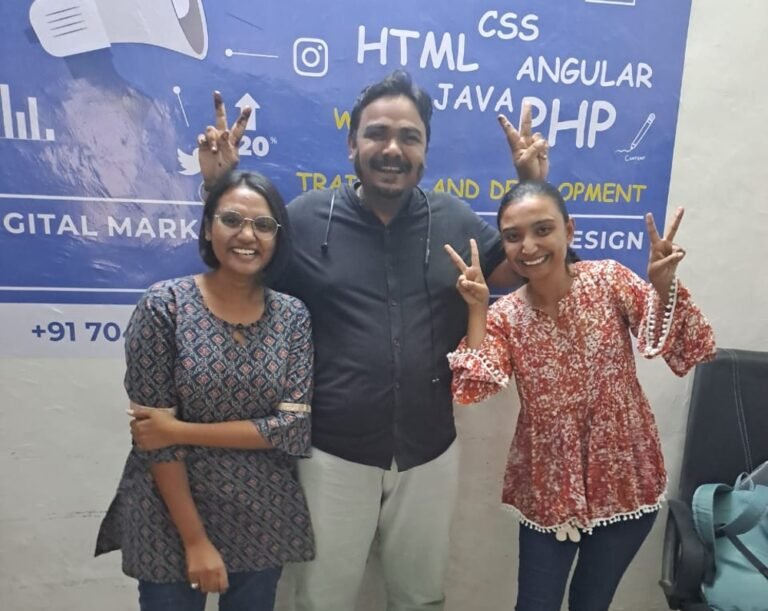
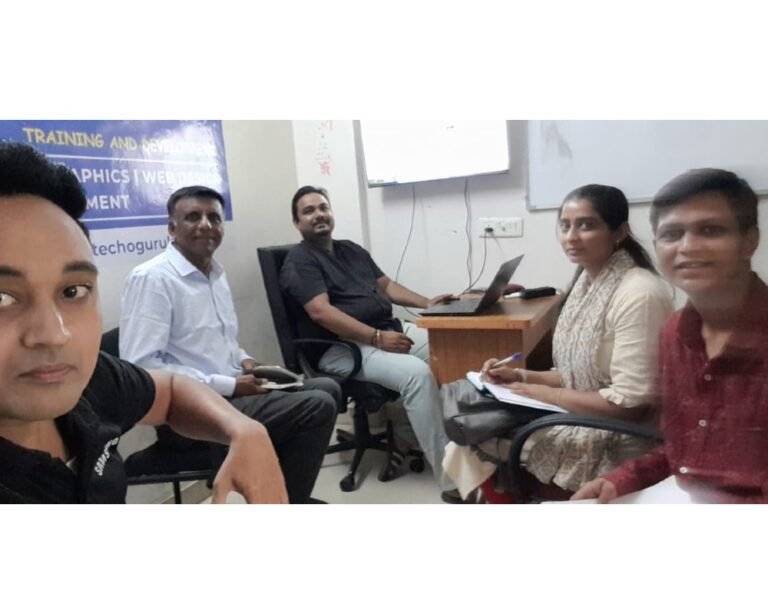
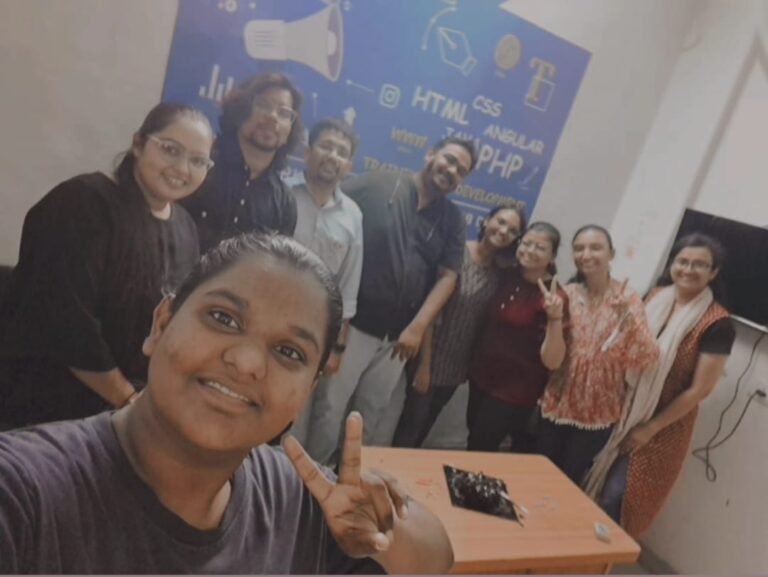
See real Techo Gurukul classrooms, guided practice, student learning and hands-on training. The gallery is arranged as an editorial image composition inspired by the reference layout—not a generic card grid.
Understand the course, attend the free demo, choose the right batch and start with a clear learning plan.
Tell us what you want to learn and get the relevant course, duration, mode and batch information.
Next step →Experience the trainer-led teaching style, practical workflow and classroom environment before enrolling.
Next step →Discuss online/offline availability, schedule and course fit, then select the batch that works for you.
Next step →Complete admission formalities, receive the learning roadmap and begin guided practice, assignments and projects.
Ready to begin →Watch real learner experiences and training moments. Add as many student videos as you have from the WordPress dashboard; the layout automatically grows into the reference-style video library.
 12+ years experience
Rupesh focuses on practical digital marketing education across SEO, paid campaigns, social media, analytics, AEO & GEO and AI-assisted workflows. The teaching approach connects explanation with demonstration, guided practice and review.
That emphasis on practical evidence helps learners understand not just the terminology, but the decisions and workflow behind the work.
Use verified student feedback to complement the video testimonial library.
Book the 2-Day Free Demo and ask about curriculum, current batch, online/offline mode and practical projects.
SEO Training in Vadodara covers search fundamentals, keyword research, search intent, on-page SEO, technical SEO, local SEO, Google Business Profile, content optimisation, Search Console, audits and reporting.
Yes. The SEO learning path begins with how search engines crawl, index and rank content, then moves into practical keyword, page, technical and local optimisation workflows.
Yes. You practise finding relevant terms, evaluating competition and relevance, classifying informational, commercial and transactional intent, clustering topics and mapping keywords to pages.
Yes. On-page SEO includes titles, meta descriptions, headings, URLs, image optimisation, internal links, content structure and relevance so users and search engines can understand a page clearly.
Yes. Technical SEO topics include crawling, indexing, canonical concepts, mobile usability, site structure, performance considerations and practical audit thinking.
Yes. The course covers local visibility, Google Business Profile fundamentals, location relevance, local content and practical ways to evaluate how a business can improve its local search presence.
Yes. Learners use Search Console concepts to understand indexing, queries, pages, coverage and performance signals, then connect the data to practical optimisation decisions.
The training can use Google Search Console, Google Analytics 4, keyword research tools such as Semrush/Ahrefs and practical website tools to audit, optimise and report SEO work.
Yes. Practical work can include keyword research, page reviews, technical checks, local SEO review, internal-link analysis and an SEO audit report with prioritised recommendations.
The current SEO programme is planned around 3–4 months*, with the exact batch schedule and delivery format confirmed by Techo Gurukul for the current intake.
It can build foundational and practical skills relevant to SEO executive, SEO specialist, content SEO and digital marketing roles. Employers may also expect experience, communication skills and demonstrable results.
Yes. Strong SEO fundamentals remain important. The training also introduces answer-first content, entity clarity and evidence-aware workflows so learners can adapt as search interfaces evolve.
Yes. Working professionals, graduates, freelancers and business owners can use the practical SEO curriculum to improve their current skills or move toward search-focused work.
You should be able to research keywords, map intent, optimise pages, identify technical issues, improve local visibility, use Search Console and prepare an SEO report with prioritised next steps.
3–4 Months* The exact schedule can vary by batch, so confirm the current batch timing with Techo Gurukul.
No commitment. See how the course is taught before you enrol.